

Skip to content
AURORIS.SYSTEMS
Menu

Solutions

Detect threats. Coordinate the response. Keep operations running.

How we work

  1. 01

    Assess the risk

    We review the site with your operations and security teams: assets, threats, dependencies and the impact of disruption. Together, we prioritise the risks to address.

  2. 02

    Define requirements

    We agree the areas and essential functions to protect, existing systems to connect and applicable obligations. We document the scope, constraints and acceptance criteria.

  3. 03

    Agree the service

    We define coverage, operating hours, availability targets, alert handling and escalation. We agree responsibilities, maintenance, reporting and how information is shared.

  4. 04

    Validate on site

    We test agreed scenarios with your team. We record results, gaps and adjustments, then jointly confirm whether the acceptance criteria have been met.

  5. 05

    Start operations

    We implement the agreed scope, prepare your team and activate the service. Named contacts coordinate alerts, incidents, maintenance and changes.

  6. 06

    Review and improve

    We review incidents and service performance with you at the agreed intervals. We update priorities, procedures and scope as the site and its risks change.

How we protect

Threat protection

Continuity & resilience

Assessment & insurance

Resilience assessment and insurance risk profile ↗

Protection by site

01

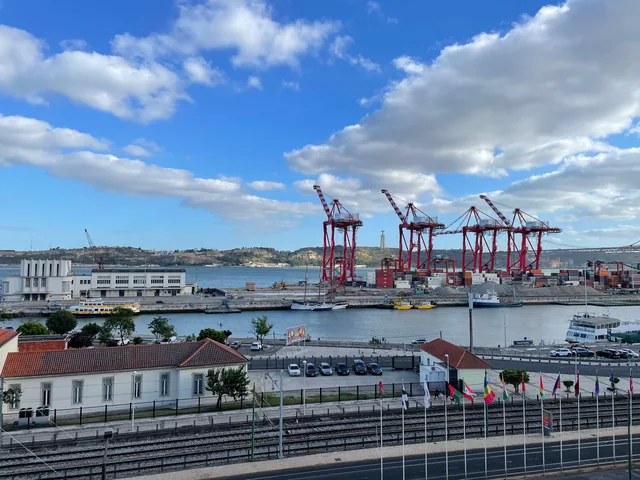
Ports and terminals

Quays, ships, cargo, gates and waterside structures.

What can happen

Drones above the terminal; intrusions through fences and vehicle entrances; approaching boats; divers and underwater drones near restricted structures.

Protection to combine

Air, perimeter, access points, water surface and underwater approaches, alongside fire alerts and continuity planning. Underwater coverage requires a dedicated assessment of local conditions.

02

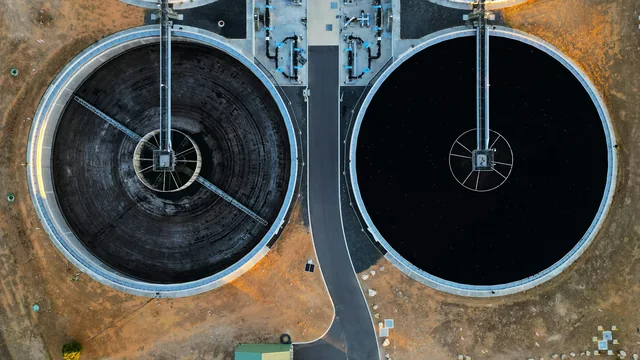
Water and dams

Intakes, reservoirs, treatment plants, pumps and power supplies.

What can happen

Unauthorised access, tampering, equipment theft, floods and pump stoppages can interrupt supply.

Protection to combine

Perimeter, access points and exposed waterside areas, combined with operating alerts, power and communications. Intrusion monitoring does not establish water quality.

03

Forests and farms

Woodland, crops, machinery, irrigation and power-line corridors.

What can happen

Fire, trespassing, theft and severe weather can affect the harvest and access for response teams.

Protection to combine

Early signs of fire, exposed access routes and assets, irrigation alerts and the continuity of power and communications.

04

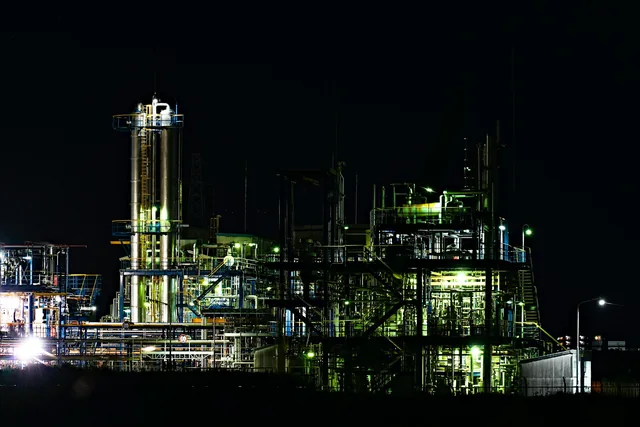
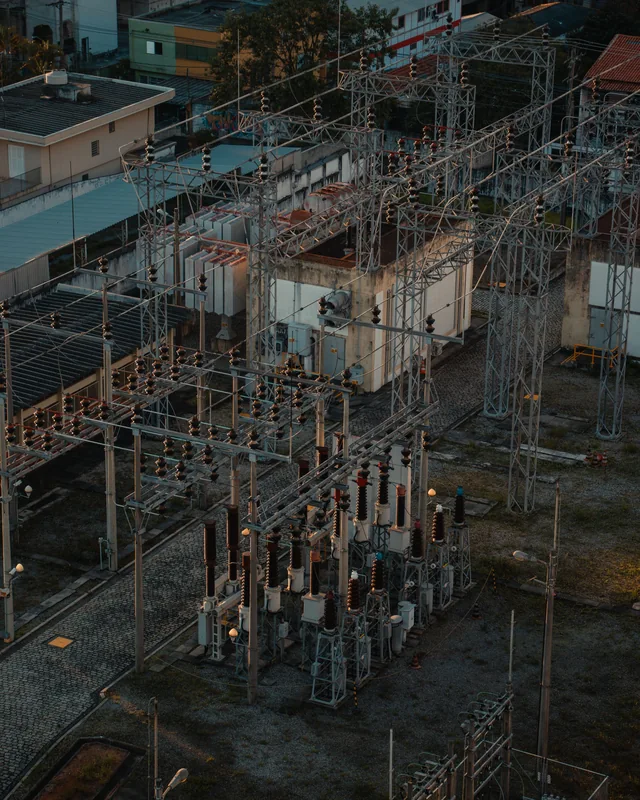
Energy, data centres and factories

Production, storage, roofs, loading areas and essential equipment.

What can happen

Intrusion, sabotage, unauthorised drone activity, fire and outages can stop operations.

Protection to combine

Airspace, perimeter and access points, with fire alerts and an assessment of backup power and communications.

05

Events and sensitive venues

People, entrances, restricted areas and the spaces around them.

What can happen

Unauthorised entry, drone overflights and incidents at access points can put people at risk and interrupt an event.

Protection to combine

Air and ground monitoring, access-area awareness and alerts coordinated with the site security team and authorities.

Resilience and insurance

Resilience assessment

For designated entities within scope, Decree-Law 22/2025 requires risk assessment, resilience and security plans, exercises and incident notification. Sector exceptions apply, including digital infrastructure (Article 18).

Our proposed assessment turns your starting point into priorities, responsibilities and evidence to prepare. Scope is agreed with your team and its legal and sector advisers.

  • Map essential functions, dependencies and gaps in existing protection.
  • Prepare a roadmap for prevention, response and recovery, with owners and priorities.
  • Organise evidence: measures implemented, maintenance, exercises and incident records.
Request a resilience assessmentTechnical preparation support; it does not certify compliance or replace approval by the competent authority. Legal basis: Articles 18, 23–30.

Insurance risk profile

Prevention, continuity and maintenance need to be demonstrable. We propose a technical risk file that your insurer or broker can use to assess your facility and the improvements made.

  • Describe exposures and potential damage or interruption scenarios, using agreed assumptions.
  • Document protection, backup arrangements, tests and outstanding recommendations.
  • With your authorisation, align the file with the information requested by your insurer or broker.
Prepare my insurance risk profileAcceptance, cover, deductibles and premiums are decided by the insurer. No premium reduction or insurer partnership is implied.

These requests open your email app. For the first contact, share only a general description of the site.

Who does what

Auroris

Installs, monitors and records.

You

Decide what to do.

The authority

Acts on the drone and its pilot.

We do not bring down or jam drones. We give police the available information to act.